



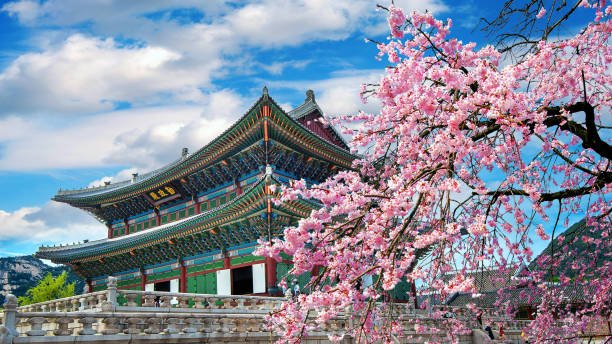
South Korea: A Country Where Tradition Meets Modern Life
South Korea is a fascinating country known for its rapid development, advanced technology, and strong global influence through K-pop, K-dramas, and innovation. At the same time, it is deeply rooted in centuries-old culture and traditions. This unique balance between modern life and traditional values makes South Korea one of the most culturally rich countries in the world.
Rich Cultural Heritage
Korean culture is strongly influenced by Confucianism, which emphasizes respect for elders, family values, discipline, and harmony in society. These values are still visible in daily life, from polite greetings to hierarchical relationships in schools and workplaces.
Traditional Korean customs are preserved through festivals, clothing, food, and rituals. Despite being a modern nation, South Koreans take great pride in protecting their cultural identity.
Traditional Clothing: Hanbok
Hanbok is the traditional Korean dress, worn especially during festivals, weddings, and national celebrations. It is known for its vibrant colors and elegant design. Even today, many young people wear hanbok during cultural events, showing how tradition remains alive among the new generation.
Korean Festivals and Celebrations
South Korea celebrates many traditional festivals throughout the year. Some of the most important ones include:
- Seollal (Lunar New Year): Families gather to honor ancestors, wear traditional clothes, and enjoy special foods like tteokguk (rice cake soup).
- Chuseok (Korean Thanksgiving): A harvest festival where people return to their hometowns to celebrate with family and pay respect to ancestors.
These festivals highlight the importance of family, respect, and gratitude in Korean culture.
Korean Food Culture
Korean cuisine is an essential part of its culture. Meals are usually shared, reflecting togetherness and community values. Popular dishes like kimchi, bibimbap, bulgogi, and tteokbokki are enjoyed both locally and internationally.
Kimchi, a fermented vegetable dish, is more than just food—it is a symbol of Korean identity and tradition. Many families still prepare kimchi together during Kimjang, a traditional kimchi-making season.
Respect and Social Etiquette
Respect plays a major role in Korean society. Bowing is a common way to greet others, and using polite language is very important, especially when speaking to elders or teachers. Age and seniority are respected, and this cultural aspect is clearly reflected in schools and professional environments.
Modern Culture and Global Influence
Alongside its traditions, South Korea is globally recognized for its modern culture. K-pop, Korean dramas, movies, and fashion have gained massive international popularity. This cultural wave, known as Hallyu (Korean Wave), has helped introduce Korean traditions, language, and lifestyle to the world.
A Culture That Welcomes the World
South Korea is a country where ancient palaces stand beside modern skyscrapers, and traditional tea houses coexist with high-tech cafés. This harmony between the past and present creates a welcoming environment for international visitors and students.
Conclusion
South Korea’s culture and traditions reflect respect, harmony, and strong community values. Its ability to preserve tradition while embracing modernity makes it a unique and inspiring country. Whether you are visiting, studying, or living in South Korea, experiencing its culture is a journey that leaves a lasting impression.
Leave a Reply