



Discover South Korea: Culture, Food & Environment
South Korea is a country where ancient traditions beautifully blend with ultra-modern technology. From centuries-old palaces to high-tech cities, from traditional dishes to global pop culture, South Korea offers a dynamic and inspiring environment for visitors and international students.
Korean Culture: Tradition Meets Modern Life
Korean culture is deeply influenced by Confucian values, which emphasize respect for elders, strong family bonds, discipline, and education. Family plays a central role in society, and major decisions often involve close relatives.
Traditional Heritage
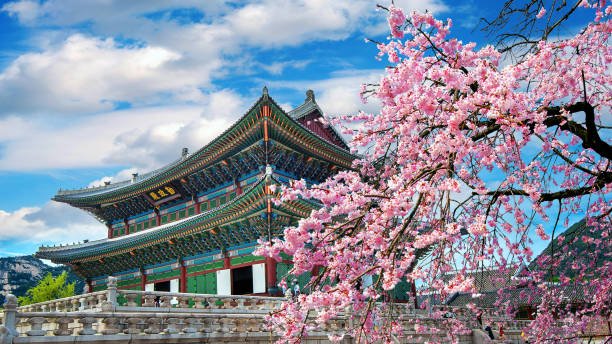
South Korea has preserved many historical sites such as Gyeongbokgung Palace in Seoul. Traditional houses called Hanok can still be seen in areas like Bukchon Hanok Village. People wear Hanbok (traditional dress) during festivals, weddings, and cultural celebrations.
Important national festivals include:
- Seollal (Lunar New Year) – A time for family gatherings and honoring ancestors.
- Chuseok (Harvest Festival) – Similar to Thanksgiving, celebrating family and gratitude.
Modern Pop Culture (Hallyu Wave)
South Korea is globally famous for the “Korean Wave” (Hallyu). K-pop, K-dramas, and Korean movies are popular worldwide. Groups like BTS and BLACKPINK have millions of global fans. Award-winning films like Parasite have brought international recognition to Korean cinema.
Korea’s culture is therefore a perfect mix of deep tradition and modern global influence.
Korean Food: Flavorful, Healthy & Diverse
Korean cuisine is one of the healthiest in the world because it focuses on balanced nutrition, fermented food, vegetables, and fresh ingredients.
Popular Korean Dishes
- Kimchi – Fermented spicy cabbage, rich in probiotics and served with almost every meal.
- Bibimbap – Mixed rice with vegetables, egg, meat, and chili paste.
- Bulgogi – Sweet and savory marinated grilled beef.
- Samgyeopsal – Grilled pork belly, often eaten in social gatherings.
- Tteokbokki – Spicy rice cakes, a popular street food.
Korean meals usually include:
- Rice
- Soup or stew (like Kimchi Jjigae)
- Several side dishes (banchan)
- Meat or fish
Street food culture is also very vibrant, especially in areas like Myeongdong in Seoul and markets in Busan.
Environment: Clean, Safe & Advanced
South Korea is known for its clean cities, disciplined society, and advanced infrastructure.
🏙 Modern Cities
Cities like Seoul are highly developed with:
- Fast and efficient public transportation
- High-speed internet (one of the fastest in the world)
- Smart technology systems
- Safe living conditions
Public transportation, including subways and buses, is affordable and convenient.
Natural Beauty
Despite being a modern country, South Korea has stunning natural landscapes:
- Jeju Island – Famous for beaches, waterfalls, and volcanic landscapes.
- Seoraksan National Park – Known for mountains and hiking trails.
- Han River in Seoul – A popular place for cycling and relaxing.
Korea experiences four distinct seasons, making the environment dynamic and beautiful throughout the year:
- Spring – Cherry blossoms
- Summer – Green mountains and beaches
- Autumn – Colorful leaves
- Winter – Snow-covered scenery
Environmental Awareness
South Korea actively promotes recycling, green energy, and eco-friendly policies. Waste management systems are strict, and people follow environmental rules seriously.
Lifestyle for Students & Visitors
South Korea offers:
- Safe living conditions
- Respectful society
- High academic standards
- Global exposure
The country’s combination of tradition, innovation, delicious food, and clean environment makes it one of the most attractive destinations in Asia.
Conclusion
South Korea is more than just K-pop and technology. It is a country rich in culture, proud of its traditions, passionate about food, and committed to maintaining a clean and modern environment. Whether you are planning to visit, study, or explore, South Korea provides a unique and unforgettable experience.
Leave a Reply